Japanese Sake Education
Premium Sake Facts & Tips
Did you know?
- Sake is brewed, like beer, and is not much stronger than wine and far less than distilled spirits! (Sake averages 15%-16% alcohol)
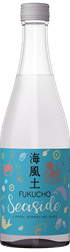
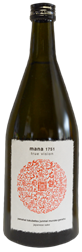
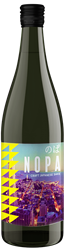
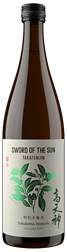
- Premium Japanese sake sales have grown at an annual rate of 20% for the last four years—and sales of Vine Connections sake have grown over 40%!
- Premium Japanese sake is to regular sake what Single Malt Scotch or Agave Tequila is to their cheaper counterpart.
- Premium Japanese sake brewers are family craftsmen vs. large industrial manufacturers and all their sake are made by hand with little, if any, automation.
- Premium sake is gluten-free, sulfite free, and kosher.
- "Ginjo" means super premium sake and special practices must be followed to make it, including higher milling rates, the use of special rice and yeast, longer fermentation periods, and many other labor-intensive brewing processes.
- About 50 types of special sake rice exist but only 8 -10 are commonly used for Ginjo sake.
- Less than 6% of all sake made qualifies as Ginjo grade. Grade level is determined by the % the rice grain is milled prior to brewing.
- Junmai Daigingo is the highest grade of sake with a minimum of 50% of the rice milled away.
How to Serve & Store Sake
- Premium sake should always be served chilled, NEVER hot or at room temperature. Heating premium sake destroys its aromatics and flavors.
- Some serve sake in a traditional masu (wooden box cup) or ochoko (small ceramic cups), but no special glassware necessary. You can serve it in a small white wine glass, a sherry or dessert/cordial glass, or even in a martini glass (try a garnish, like some salted edamame!)
- Sake "flights" are becoming popular and consist of 3-4 different sake - a great way to taste and compare several side-by-side.
- Once opened, sake will remain fresh for up to one week. Unopened, it will be most fresh when consumed within the year of purchase.
How to Pair Sake With Food
- Sushi? Sure, but it goes well with French food, Spanish cuisine, American grill food and more.
- Try it with raw oysters, smoked and cured fish, grilled or broiled fish, fried fish or seafood, paella, mild curries, and many other dishes. Also works with milder chicken or beef dishes!
- Like wine, it can be overpowered by very spicy or powerfully flavored foods, but it does go well with some wine-unfriendly foods such as artichokes & asparagus.
How to Read our Sake Label
Vine Connections was the first importer to develop a sake back label that clearly outlines all the important facts for describing or learning about each sake. These include:
- Name: Brand name is in Japanese, the proprietary name for each sake is in easily-remembered English
- Grade: Junmai, Tokubetsu Junmai, Junmai Ginjo, Junmai Daiginjo
- Flavor Profile: Basic taste profile of the Sake
- Prefecture: Where in Japan it is made
- Rice Variety: What type of Sake rice was used to make it
- Relevant Brewery or Sake Fact: A brief, unique fact about the Sake or the brewery that made it
- Bottle Quality Meter: The bottle graph illustrates the % of each grade of sake produced in Japan, and the darkened area shows the grade level of the particular sake.
- Serve Slightly Chilled: Heat will damage premium Sake. This is a reminder.